The Ohio State University was honored to host the 49th Annual Ohio Association of Gerontology and Education (OAGE) Conference on April 16–17, 2026, at the Blackwell Inn and Pfahl Conference Center in Columbus. Centered on the theme, “Aging Reframed: Empowering Generations for Impact,” the conference brought together students, researchers, educators, healthcare professionals, policymakers, and community leaders from across Ohio to explore innovative approaches to aging and intergenerational engagement.
The conference represented a collaborative partnership between OAGE and The Ohio State University, with the Office of Geriatrics and Gerontology serving as the lead coordinating unit for the university. Through its longstanding commitment to education, workforce development, and interdisciplinary collaboration in aging, the Office played a central role in planning and facilitating the conference, helping to bring together professionals, researchers, students, and community leaders from across Ohio to advance innovation in aging
The conference was designed to challenge traditional perceptions of aging while highlighting the strengths, contributions, and potential of individuals across the lifespan. Through interdisciplinary discussions, evidence-based research, and practical strategies, attendees examined how empowering all generations can create stronger communities, enhance health and well-being, and address the opportunities and challenges of an aging society.
The conference opened with a pre-conference workshop led by Beth Kowalczyk, Chief Executive Officer of the Ohio Association of Area Agencies on Aging. Her presentation, “Reframing Aging: How Narrative Change Advances Practice and Policy,” explored the impact of ageism on health, longevity, and public policy while providing attendees with evidence-based communication strategies to promote more constructive conversations about aging.
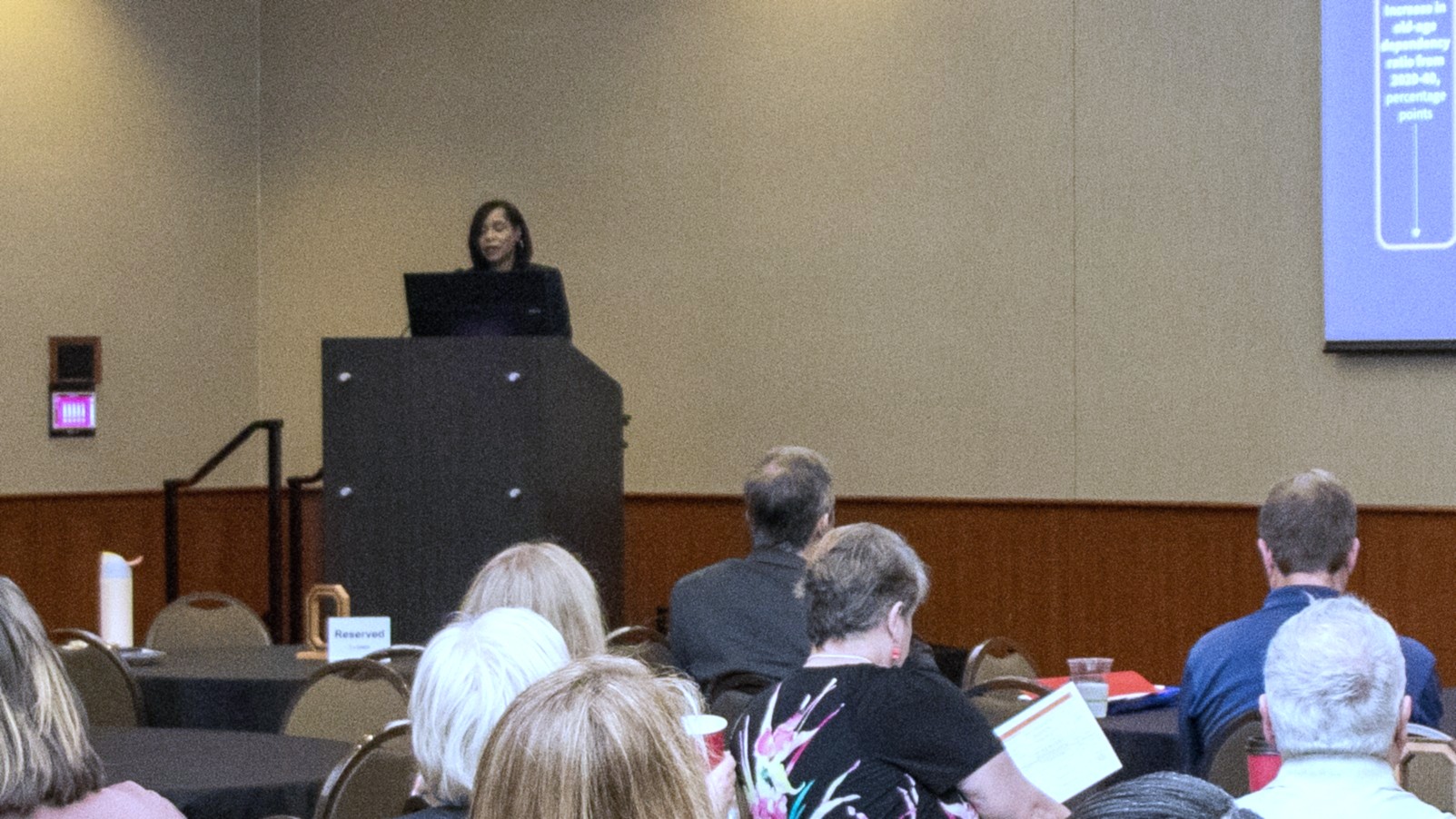
Featured keynote presentations further reinforced the conference theme. Ohio Department of Aging Director Ursel J. McElroy delivered “The State of Aging in Ohio,” highlighting demographic trends, workforce challenges, and innovative strategies being implemented to support Ohio’s growing older adult population. On the second day, Derenda M. Schubert, PhD, Chief Executive Officer of Bridge Meadows, inspired attendees with “All Ages, One Vision: Creating Connections, Changing Generations,” emphasizing the transformative power of intentional intergenerational relationships and collaboration.
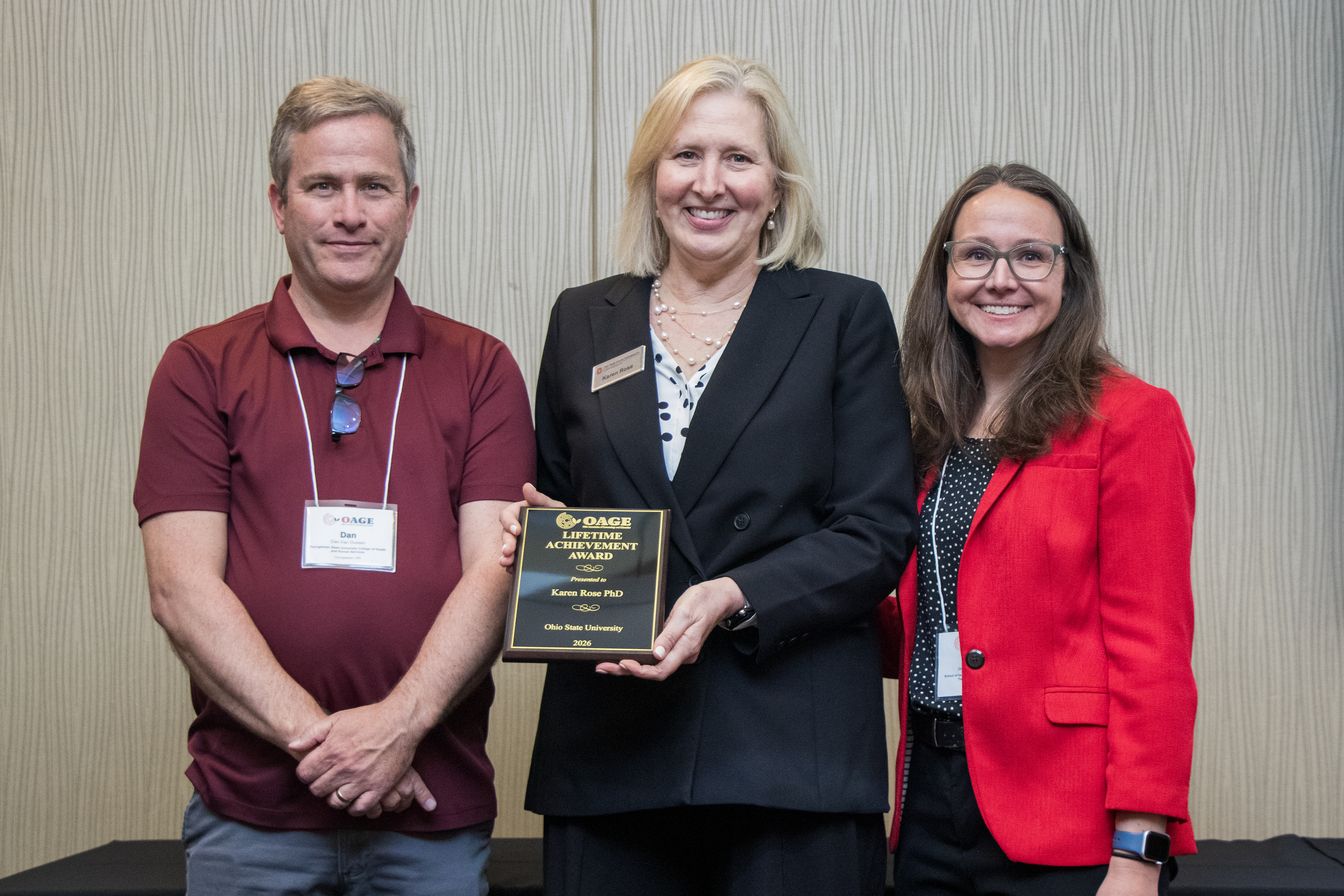
A special highlight of the conference was the presentation of the OAGE Lifetime Achievement Award to Dr. Karen M. Rose, Dean and Professor of The Ohio State University College of Nursing and Co-Director of the Golden Buckeye Center for Dementia Caregiving. The award recognizes individuals whose careers have had a lasting impact on the field of aging through leadership, scholarship, advocacy, and service. Throughout more than three decades of work in gerontological nursing, dementia caregiving research, and aging policy, Dr. Rose has advanced innovative approaches to supporting older adults and their families while helping to shape the future of gerontological education and practice. Her nationally recognized contributions include more than 85 peer-reviewed publications, leadership on major federally and state-funded initiatives, and the co-founding of the Golden Buckeye Center for Dementia Caregiving, which provides education, consultation, and training resources to caregivers and professionals across Ohio's 88 counties. The recognition served as a fitting tribute to her enduring commitment to improving the lives of older adults and strengthening the aging services workforce.
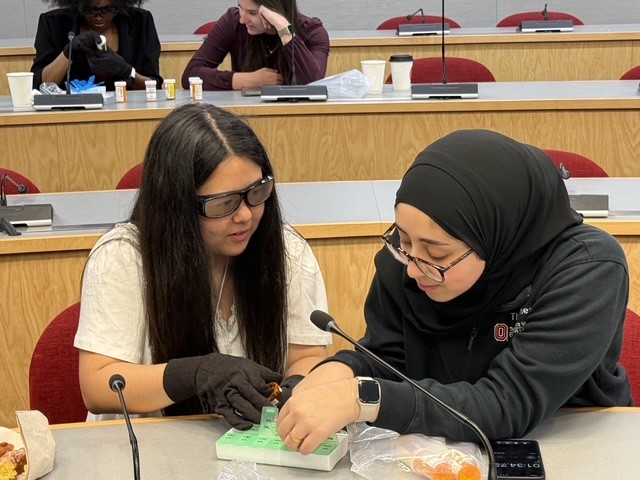
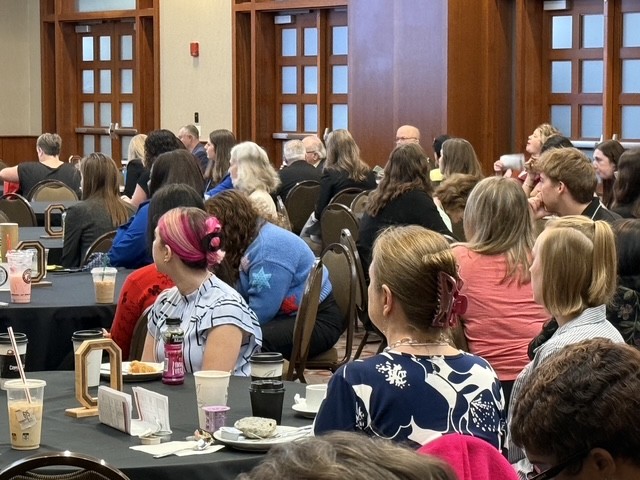
In addition to keynote programming, the conference featured a diverse array of concurrent sessions, symposia, workshops, and panel discussions spanning research, clinical care, education, policy, and community practice. Participants engaged in meaningful dialogue around emerging issues in aging while sharing innovative programs, best practices, and research findings from across the state.
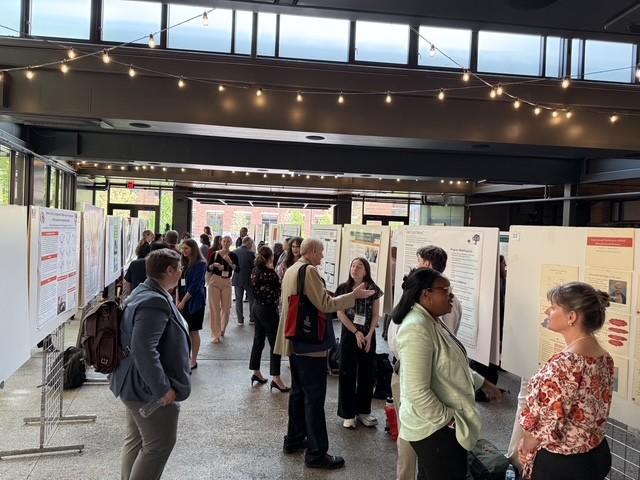
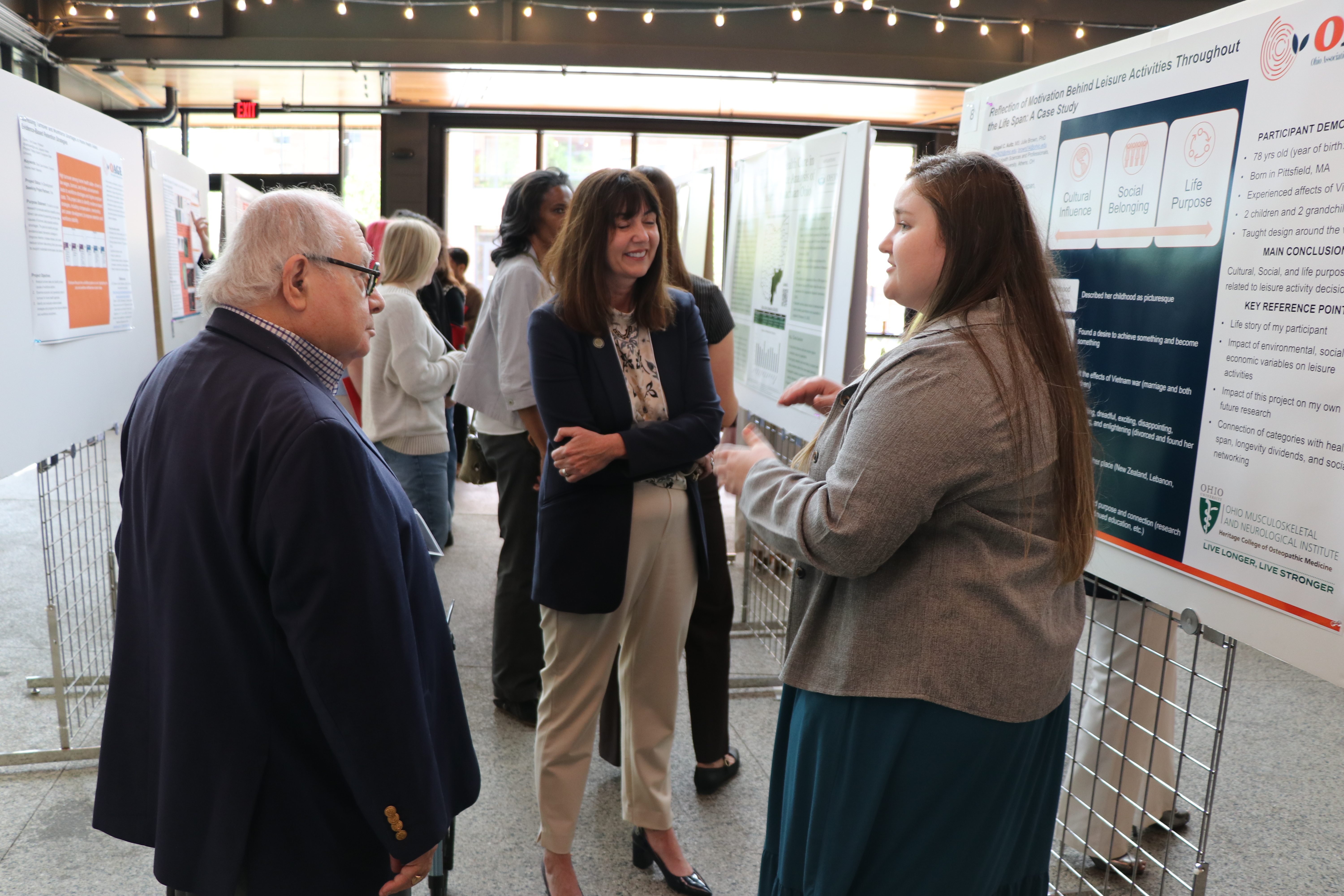
The OAGE Research Forum provided an interactive platform for students, researchers, and practitioners to showcase projects in development, under review, or newly funded and encouraged collaboration across disciplines and organizations, fostering new partnerships and strengthening Ohio’s aging research network.
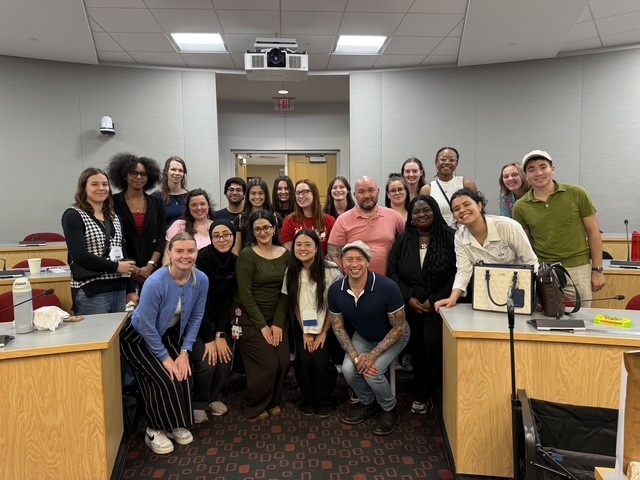
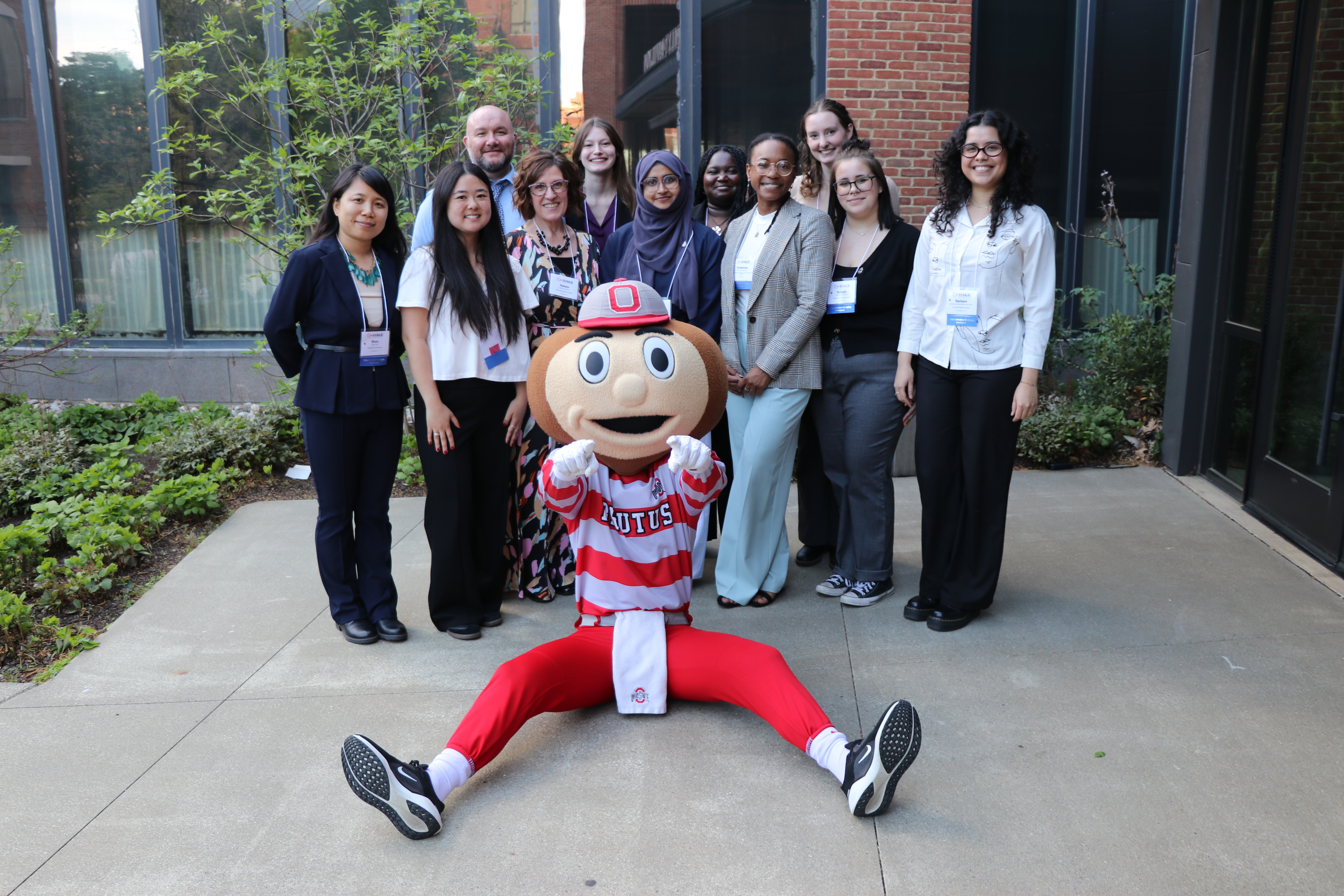
The conference also demonstrated a strong commitment to workforce development and leadership cultivation through student-focused programming, including Scholars in Aging presentations, networking opportunities, and professional development activities. These experiences connected emerging professionals with seasoned leaders in the field and reinforced OAGE’s mission to support the next generation of aging services professionals.
As host institution, The Ohio State University was proud to provide a venue for learning, collaboration, and innovation. The conference served as more than a professional gathering—it was a catalyst for ongoing dialogue and action. By bringing together diverse perspectives and expertise, the 49th Annual OAGE Conference advanced a shared vision of reframing aging, strengthening intergenerational connections, and creating lasting impact across Ohio and beyond.
The success of the conference reflects the collective efforts of OAGE leadership, presenters, volunteers, sponsors, and attendees who contributed to two days of meaningful learning and engagement. Serving as the lead coordinating unit for The Ohio State University’s involvement, the Office of Geriatrics and Gerontology worked closely with OAGE to support conference planning, logistics, educational programming, and attendee engagement. Together, these collaborative efforts created an exceptional learning experience that reinforced a shared understanding that aging is not only a demographic reality, but an opportunity to empower individuals, strengthen communities, and shape a more inclusive future across generations.