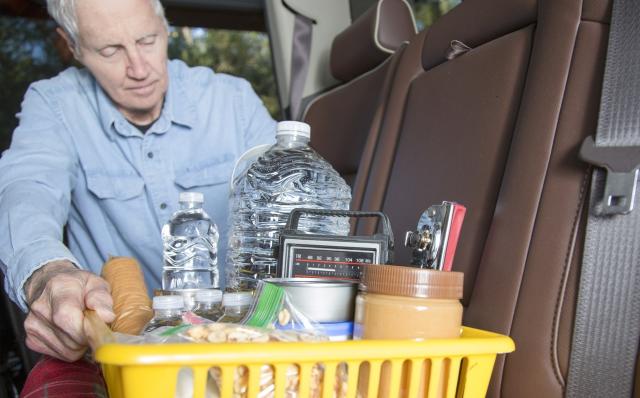
A new study led by Drs. Smitha Rao and Holly Dabelko-Schoeny of the Age-Friendly Innovation Center in The Ohio State University College of Social Work, in collaboration with the Central Ohio Area Agency on Aging, highlights the heightened risks older adults in subsidized housing face during extreme weather—and how community connections help them cope. Climate change has increased the frequency and severity of events like heat waves, storms, and power outages. During these events, older adults are particularly vulnerable due to chronic health conditions, reduced mobility, and limited financial resources. Furthermore, these risks are amplified in subsidized housing settings, where challenges like poverty, social isolation, and inadequate infrastructure can make it harder to prepare for or respond to emergencies. Despite these vulnerabilities, this population has been underrepresented in disaster preparedness research, creating significant gaps in knowledge and policy.
To address this deficit, the research team conducted a mixed-methods study in a subsidized housing community in Columbus, combining surveys with focus group discussions. The study produced a new conceptual model demonstrating that preparedness is shaped by the interplay of the physical environment, access to information, and social connections. While most residents reported feeling prepared, deeper discussions revealed critical concerns, including evacuation challenges, unreliable building systems like elevators, and inconsistent communication from building management. However, a strong theme also emerged: residents rely heavily on one another. Neighbors frequently check in on one another, share supplies, and support those with mobility or health limitations, demonstrating that social connectedness is a key form of resilience. Despite this, barriers such as limited formal preparedness training, transportation challenges, and reliance on informal support networks still leave many residents at risk.
The findings have important implications for policy and practice, emphasizing the need for community-informed disaster planning, improved communication systems, and stronger support for service coordinators in subsidized housing. They also highlight the importance of investing in both physical infrastructure and social networks to foster resilience. This study informed the creation of a Toolkit and Corresponding Videos for Human Services Professionals to assist residents to prepare and respond to extreme weather events.