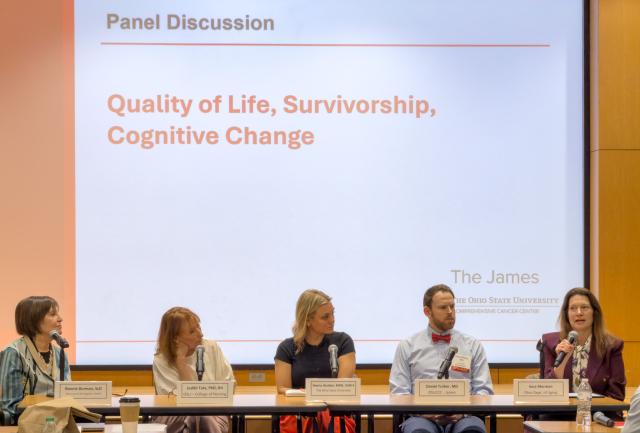
Caring for older adults with cancer requires attention to their daily lives as well as their treatment. That connection was the focus of the Fourth Annual Oncogeriatrics Symposium, held August 28, 2026, at The Ohio State University’s Biomedical Research Tower.
Under the theme “Connecting Communities for Aging Adults with Cancer,” the symposium brought together academic and community perspectives on care that responds to patients’ physical function, personal priorities, and available support. The program connected physicians, researchers, nurses, allied health professionals, and community stakeholders working at the intersection of cancer and aging.
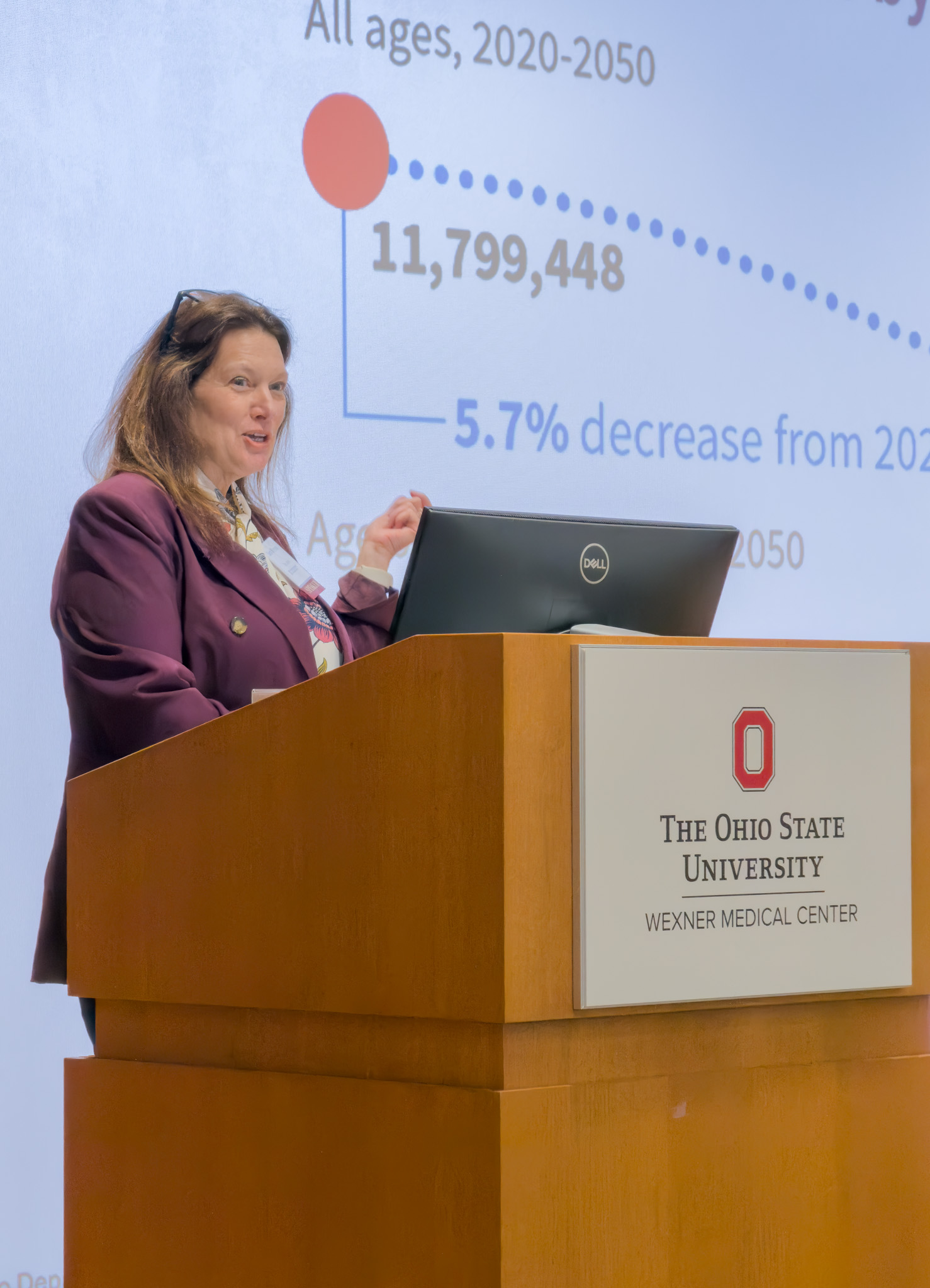
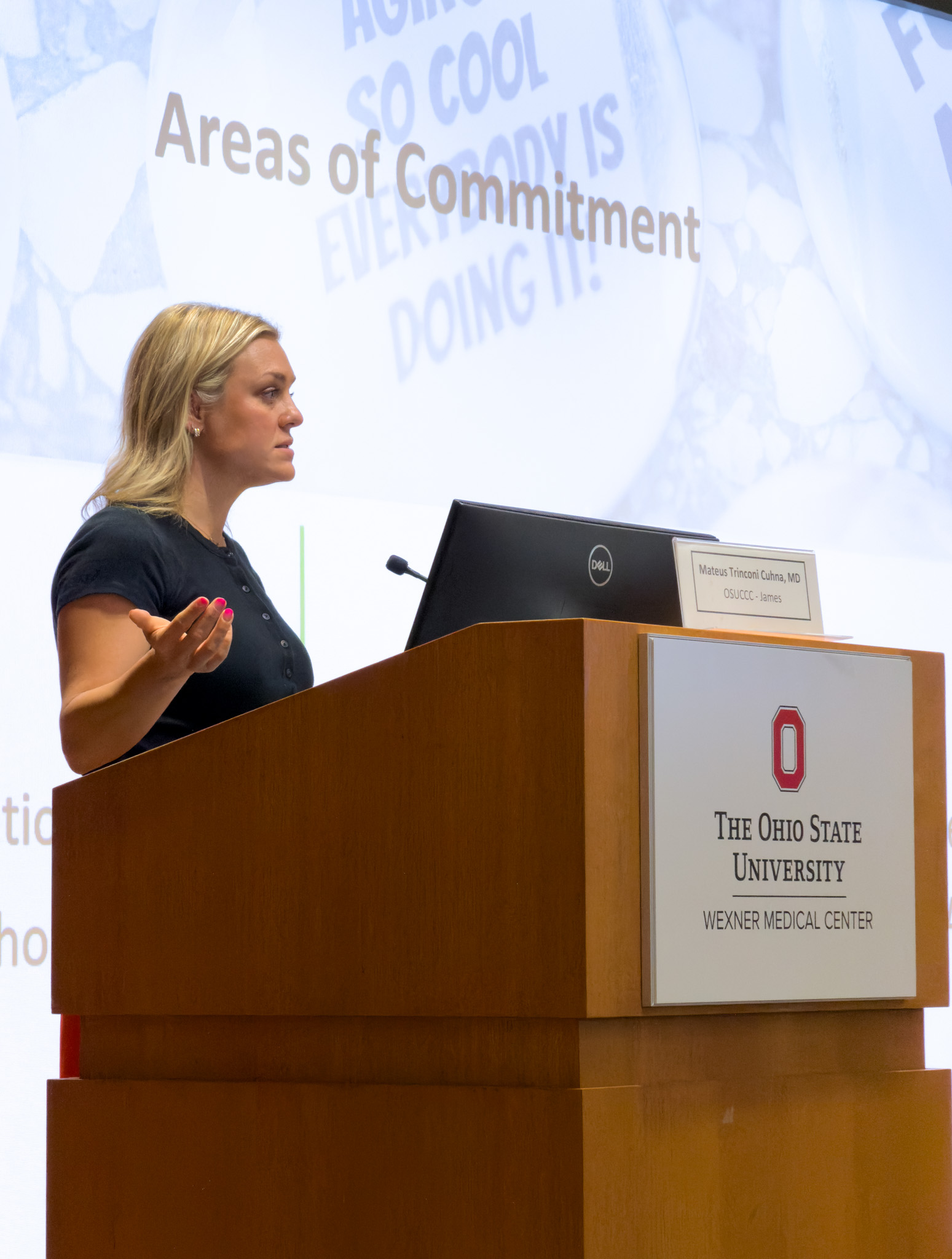
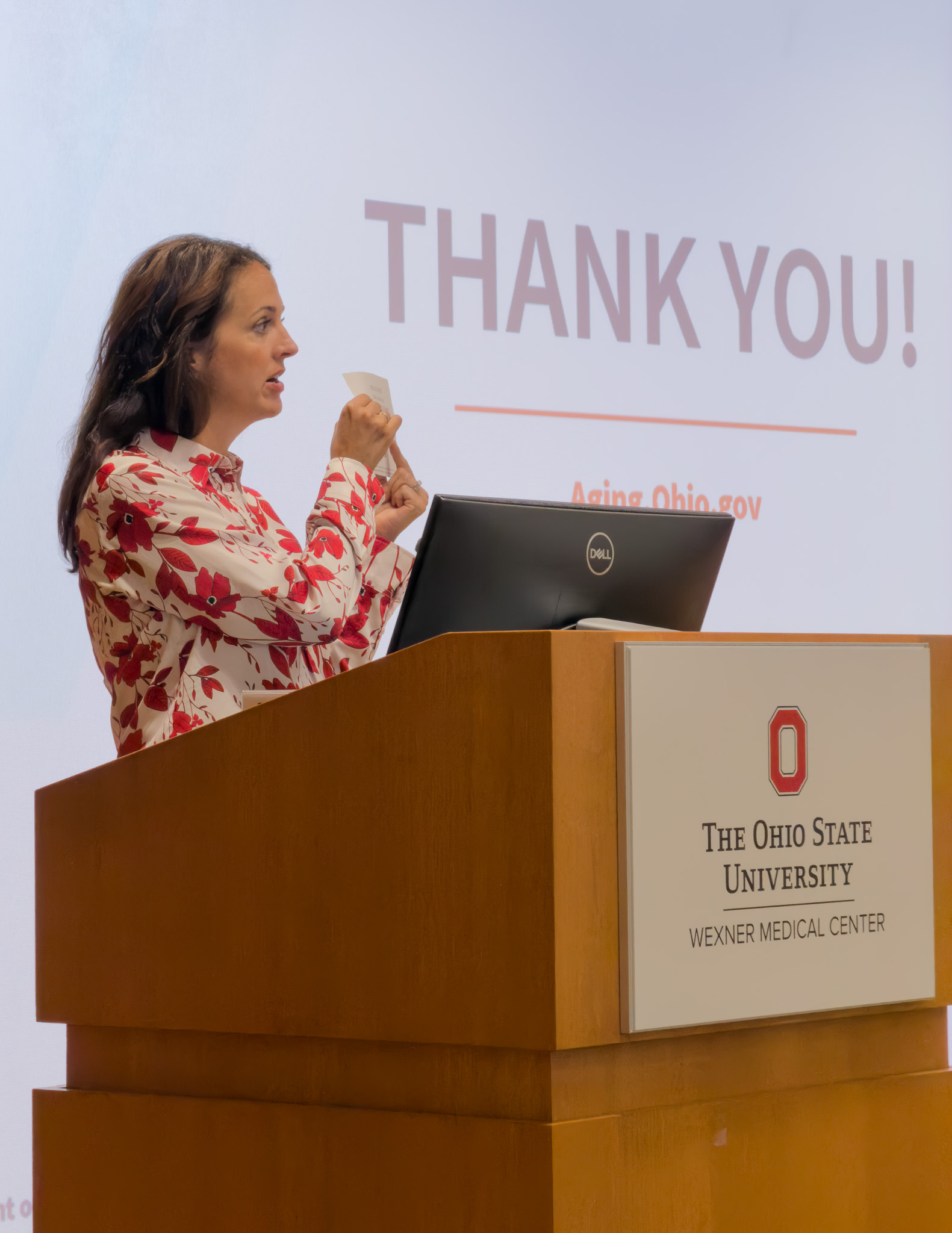
The agenda featured a keynote from Sara Morman of the Ohio Department of Aging, followed by sessions on quality of life, survivorship, cognitive change, diet, and exercise. Ohio State contributors included Daniel Trotier, Judith Tate, Fred Tabung, Dena Champion, Roberto Benzo, and Marisa Sheldon of the Age-Friendly Innovation Center.
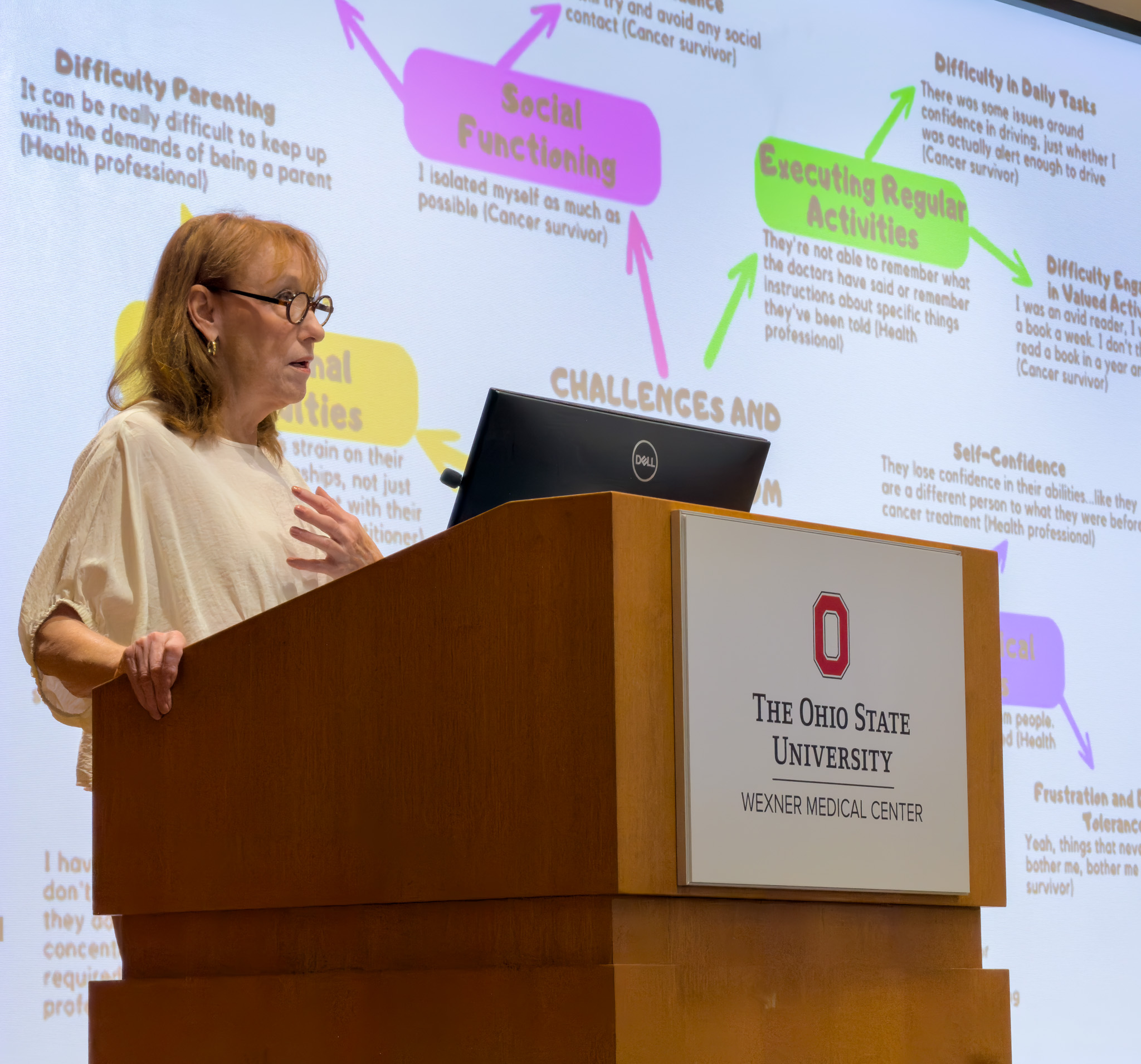
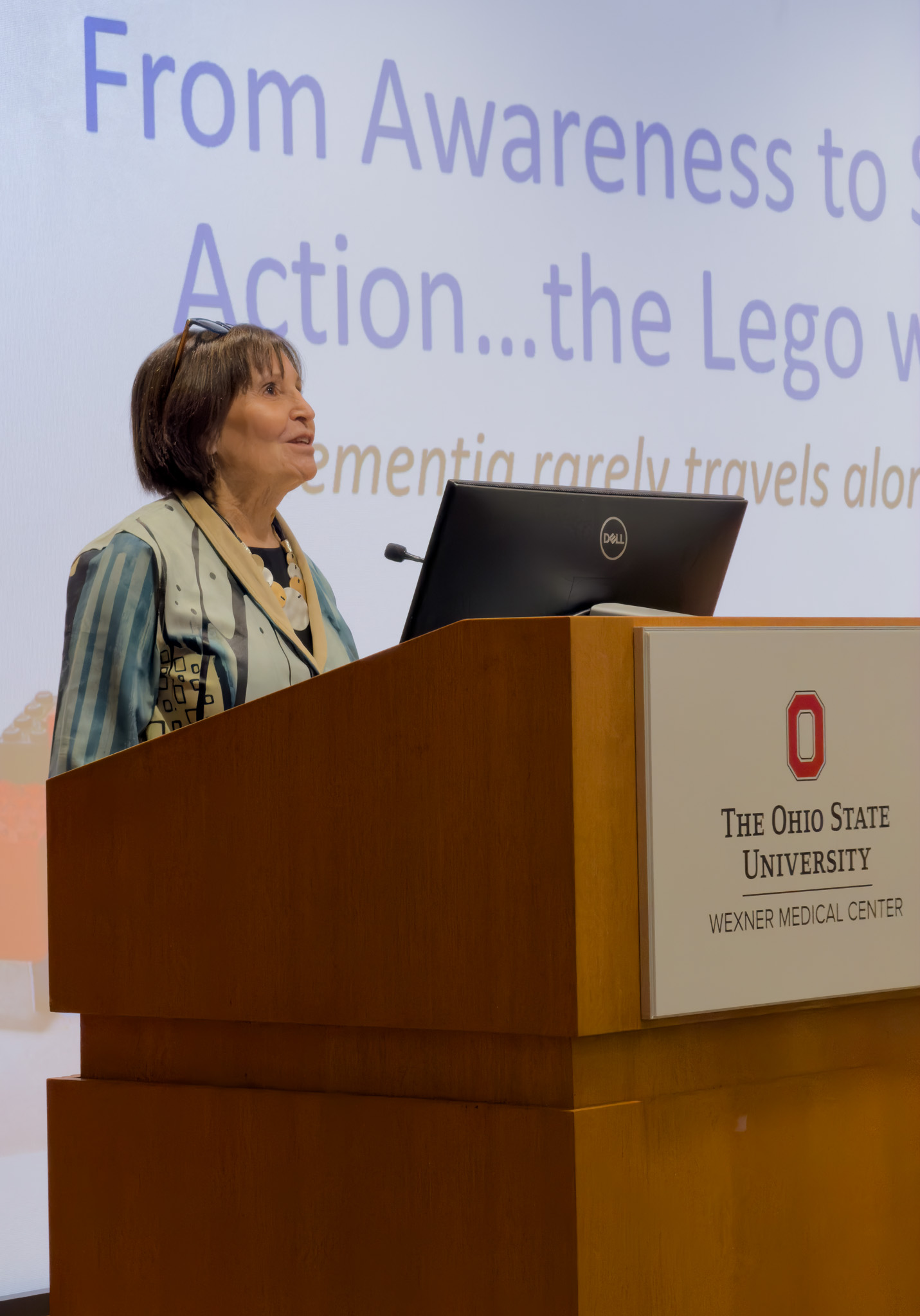
Bonnie Burman, ScD, president of the Ohio Council for Cognitive Health, also delivered a presentation during the session addressing quality of life, survivorship, and cognitive change. Her participation brought the perspective of a statewide cognitive health organization into the symposium’s exchange between clinical and community experts.
A central focus was how oncology teams and community organizations can better coordinate services such as transportation, nutrition, caregiver support, and psychosocial resources. Presentations and panel discussions connected these practical needs with the broader goal of making cancer care responsive to the circumstances of older adults and their families.
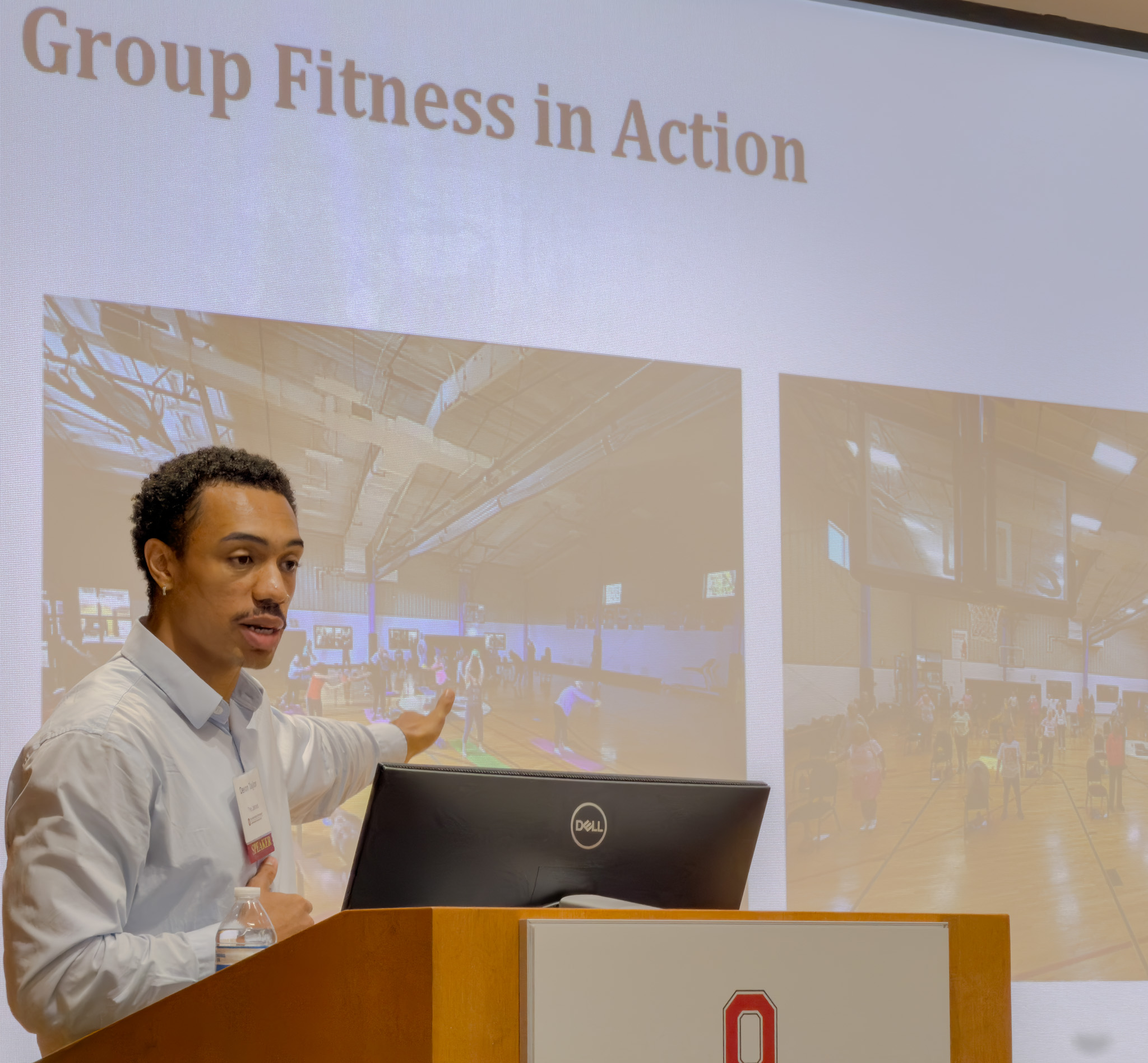
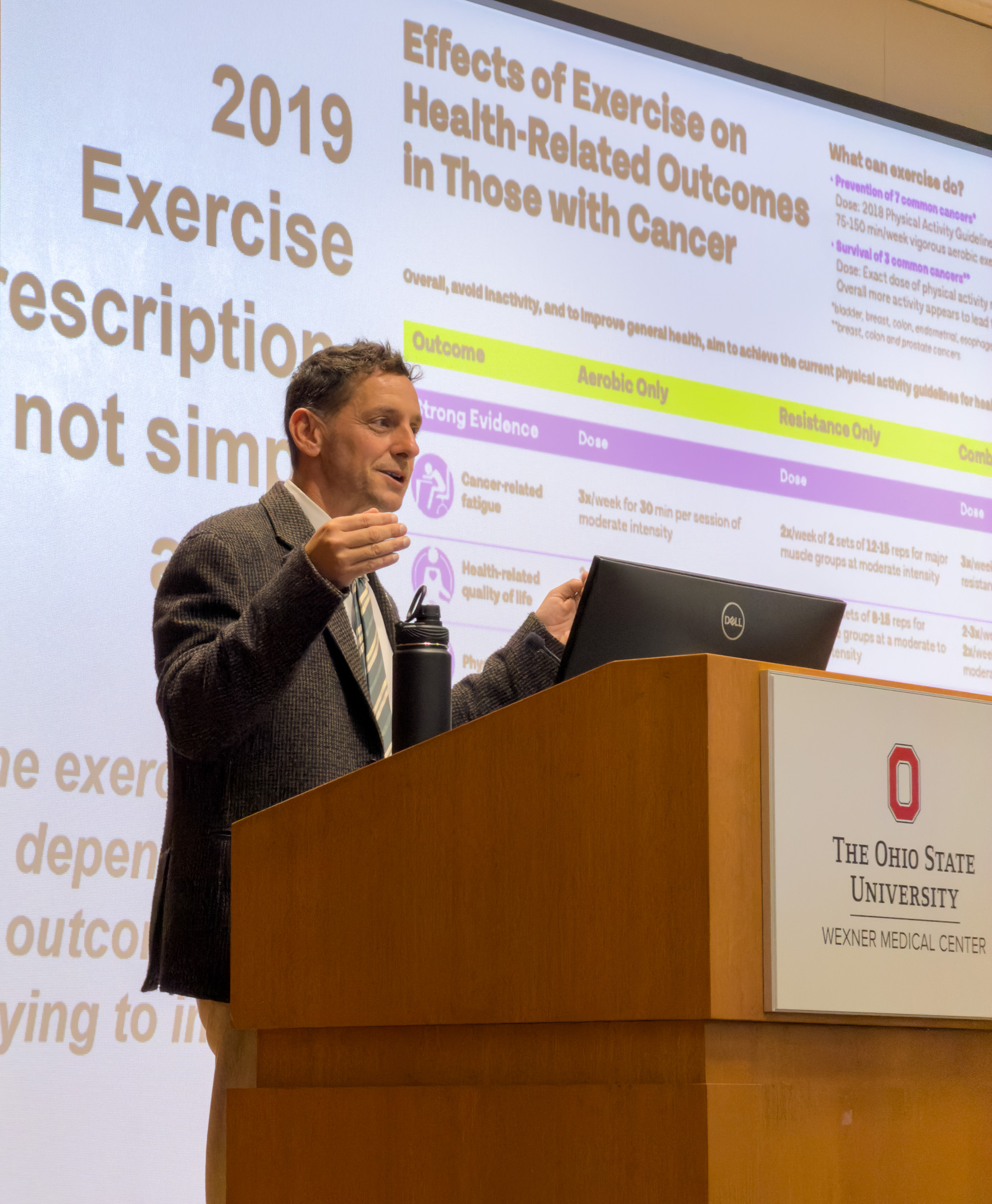
The YMCA of Central Ohio’s recap highlighted Devon Taylor’s contribution on physical activity and the role community organizations can play in supporting older adults living with cancer. That perspective extended the conversation beyond clinical settings to the resources people use in their everyday lives.
For the Institute on Aging, these connections reflect our commitment to advancing healthy aging through collaboration across disciplines. Bringing research, clinical practice, and community knowledge into the same conversation helps identify where care can better respond to what matters to older adults.